How Vape Technology has evolved over the last 20 Years


Electronic cigarettes have come a long way since they first appeared in the early 2000s. What began as a rudimentary smoking alternative has developed into a sophisticated, well-regulated industry. Whether you’re new to vaping or simply curious about how modern devices work, this guide walks you through the key milestones in vape technology and what they mean for users today.
The First E-Cigarette (2003)
The modern e-cigarette was invented in 2003 by Chinese pharmacist Hon Lik, who wanted a cleaner alternative to tobacco smoking. These early “cigalike” devices mimicked the look of cigarettes and used small pre-filled cartridges with basic internal batteries. Vapour production was minimal, battery life was poor, and performance was unreliable. Even so, they established the core principle still used today — heating e-liquid to produce inhalable vapour without burning tobacco.
Vape Pens Changed the Game
Between 2010 and 2013, vape pens emerged as a genuine upgrade. They were larger, rechargeable, and refillable — a significant leap forward. Users gained access to replaceable coils, adjustable airflow, and the ability to choose their own e-liquid flavours and nicotine strengths. For many, this was the moment vaping became a credible long-term alternative to smoking. This period also saw UK regulation begin to take shape. The Tobacco and Related Products Regulations 2016 capped nicotine strength at 20mg/ml and tank capacity at 2ml, creating consistent safety and labelling standards across the market.
Box Mods and Advanced Power Control
As the vaping community grew, more experienced users pushed for greater performance. Box mods answered that demand. These larger devices offered variable wattage, temperature control, removable batteries, and OLED screens — giving users precise control over their vaping experience.
Sub-ohm vaping also took off during this era. Lower-resistance coils produced denser vapour and richer flavour, particularly when paired with lower nicotine e-liquids. This shift transformed vaping from a simple habit-replacement tool into a performance hobby for enthusiasts.
Temperature Control and Smarter Chipsets
Temperature control (TC) was one of the most meaningful technical advances in vaping. Rather than setting wattage alone, users could now define an exact coil temperature — reducing dry hits, improving consistency, and extending coil life.
Modern regulated chipsets brought further reliability through automatic coil recognition, short-circuit protection, overheat cut-off, and low-voltage warnings. These features made regulated devices far safer and more predictable than the early generation of hardware.

Hayati Pro Max+ 6000 Puffs Pod Kit – Blue Razz Cherry
Flavour is Blue Razz Cherry

Hyola Ultra 30K Prefilled Pod Kit
Available in all Flavour
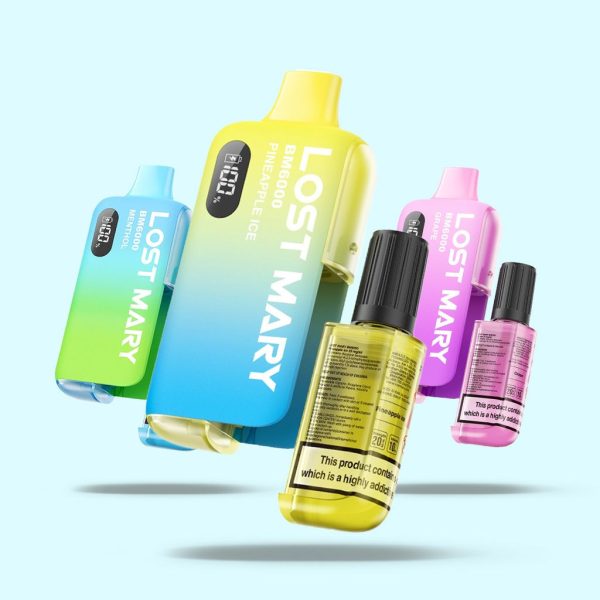
Lost Mary BM6000 Prefilled Vape Kits
Available in all Flavour

Oxva Slim Stick Prefilled Vape Kit
Available in all Flavour
The Pod System Revolution
Today, pod systems dominate the UK vape market — and for good reason. Compact, straightforward, and efficient, they prioritise convenience without sacrificing performance. Most modern pod kits feature USB-C fast charging, mesh coil technology, leak-resistant construction, and compatibility with nicotine salt e-liquids.
Nicotine salts were a particularly important development. They deliver higher nicotine concentrations more smoothly than traditional freebase nicotine, making pod systems especially effective for people switching from cigarettes. Compared to box mods, pod kits are discreet, low-maintenance, and far easier to use — which explains their widespread appeal.
Mesh Coils and Improved Flavour
Coil technology has quietly been one of the most impactful areas of development. Early wire coils heated unevenly and degraded quickly. Mesh coils replaced them with a wider surface area that contacts the e-liquid more evenly, resulting in faster heating, noticeably better flavour, longer coil lifespan, and more consistent vapour production.
Mesh is now standard across both pod systems and sub-ohm tanks, and the difference in flavour quality compared to older coil designs is clear.
Better Batteries and Safer Charging
Battery technology has also advanced considerably. Modern devices offer larger capacities, USB-C fast charging, intelligent battery monitoring, and multiple built-in protections. In the UK, products must meet regulatory standards overseen by the Medicines and Healthcare products Regulatory Agency (MHRA), ensuring devices on the market are safe and compliant.
A More Sustainable Direction
Growing environmental awareness has shifted consumer preferences away from single-use disposable vapes. Many UK vapers now opt for refillable pod systems as a more responsible choice. Manufacturers are responding with longer-lasting coils, recyclable packaging, improved leak prevention, and more durable hardware designed to reduce overall waste.
This reflects a broader maturity in the market — innovation is no longer just about performance, but also about responsibility.
What’s Next for Vape Technology
Looking ahead, development is likely to focus on smarter temperature regulation, longer battery life, more eco-conscious materials, and enhanced flavour precision. Some devices already offer app connectivity and usage tracking, pointing toward a future where vaping hardware increasingly resembles consumer electronics in terms of personalisation and intelligence.