What Is Vape Coil Resistance & Why It Matters for Your Vape


If you’ve spent any time exploring the world of vaping, you’ve probably come across the term “coil resistance.” It gets thrown around a lot – on packaging, in product descriptions, in online forums – but what does it actually mean? And more importantly, why should you care?
Whether you’re a complete beginner or someone who’s been vaping for a while and wants to understand their device better, this guide breaks it all down in plain, simple language.
Understanding Coil Resistance: The Basics
Coil resistance refers to how much a vape coil resists the flow of electrical current from your battery. It’s measured in ohms (Ω) – the standard unit of electrical resistance.
Every vape coil is essentially a small piece of wire (usually made from Kanthal, stainless steel, or nickel) wound into a coil shape. When your battery sends power through that wire, it heats up and vaporises the e-liquid soaked into the surrounding wicking material. The resistance of that coil determines how quickly and how intensely it heats up.
Think of it like water flowing through a pipe. A wide pipe (low resistance) lets water rush through easily. A narrow pipe (high resistance) slows things down. The same principle applies to electrical current and your coil.
The Two Main Categories: Sub-Ohm vs. Above-Ohm
Coils generally fall into two camps:
Sub-Ohm Coils (below 1.0Ω) These have a resistance of less than one ohm. They allow more current to flow, which generates more heat, more vapour, and typically a warmer, more intense flavour. Sub-ohm coils are popular with direct-to-lung (DTL) vapers who enjoy big clouds and a deep inhale.
Above-Ohm Coils (1.0Ω and higher) Also called “plus-ohm” or standard resistance coils, these restrict current flow more and produce a cooler, tighter draw. They’re well-suited for mouth-to-lung (MTL) vapers – people who prefer a style closer to smoking a traditional cigarette.
Why Coil Resistance Matters
Here’s where things get practical. Coil resistance isn’t just a spec on a box – it directly affects your entire vaping experience. Here’s how:
- Vapour Production Lower resistance = more current = more heat = more vapour. If you’re after big, visible clouds, a sub-ohm coil with a high-powered device is the route to take. If you prefer a more discreet, cigarette-like amount of vapour, a higher resistance coil is more appropriate.
- Flavour Intensity Many vapers find that sub-ohm coils deliver a richer, more intense flavour hit – particularly with high-VG e-liquids. Higher resistance coils tend to suit thinner, high-PG liquids and often produce a cleaner, crisper taste.
- Battery Life Lower resistance coils draw more power from your battery to generate that extra heat. This means they drain your battery faster. If longevity between charges matters to you, a higher resistance setup is generally more efficient.
- E-Liquid Consumption More heat means more e-liquid is vaporised with each puff. Sub-ohm vaping tends to go through e-liquid significantly faster than MTL vaping. This is worth factoring in when budgeting for your vaping habit.
- Nicotine Delivery This one is important for anyone transitioning from smoking. Sub-ohm devices produce larger vapour clouds, which means nicotine hits the system quickly and intensely. For this reason, sub-ohm setups are usually paired with lower nicotine concentrations (3mg–6mg). Higher resistance MTL coils work better with higher nicotine strengths (10mg–20mg), including nicotine salts.
Matching the Right Coil to the Right Setup
Using the wrong coil resistance for your device or e-liquid can lead to a poor experience – or even damage your hardware. Here’s a simple guide:
- MTL vaping + high-PG e-liquid + nic salts → Use a coil above 1.0Ω
- DTL vaping + high-VG e-liquid + low nicotine → Use a sub-ohm coil below 1.0Ω
- Pod systems → Most have fixed coils designed for their specific power range – always check compatibility
- Rebuildable coils (RDA/RTA) → You set the resistance yourself by choosing wire type and coil configuration; always check your device’s minimum resistance rating
A good rule of thumb: always check the wattage recommendation printed on your coil. Running a coil too hot or too cold shortens its lifespan and affects performance.
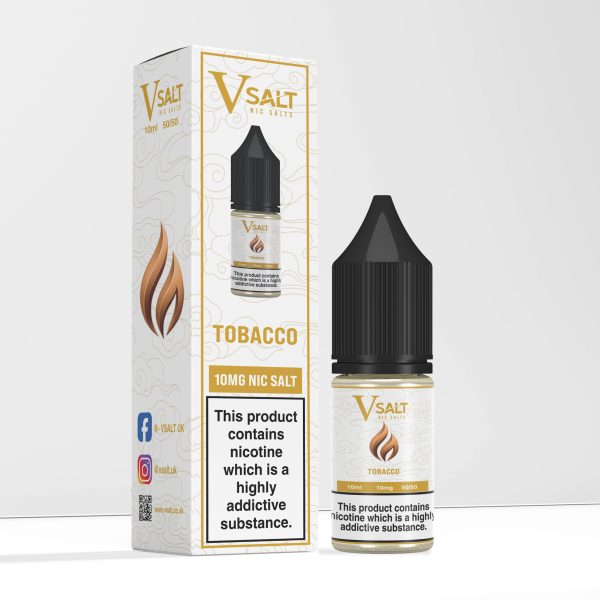
Tobacco Nic Salt – 10mg
Tobacco Nic Salt
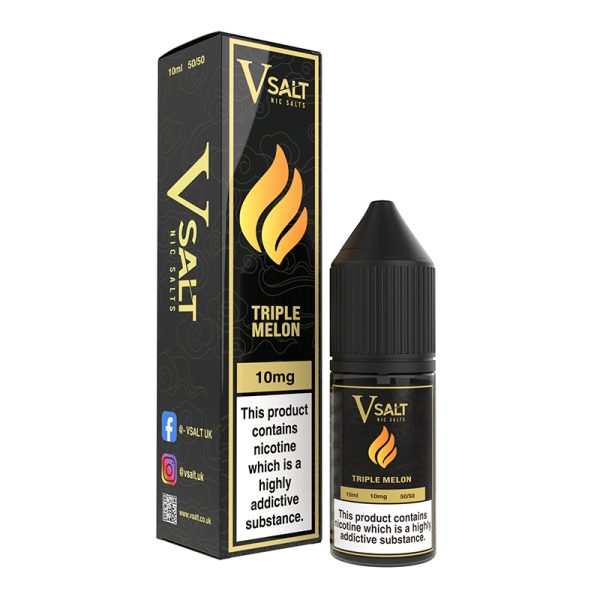
Triple Melon Nic Salt – 10mg
Triple Melon Nic Salt
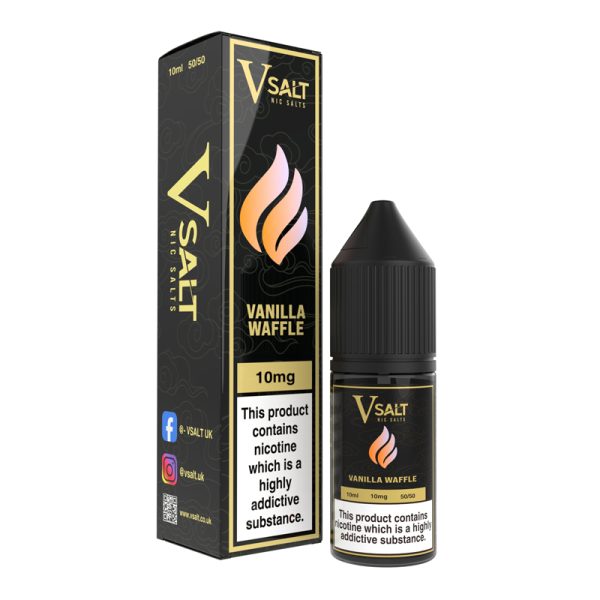
Vanilla Waffle Nic Salt – 10mg
Vanilla Waffle Nic Salt
White Gummy Bear Nic Salt – 10mg
White Gummy Bear Nic Salt
How to Check Your Coil’s Resistance
Most modern box mods and pod devices display the coil resistance on screen when a coil is fitted. If yours doesn’t, a basic ohm reader (a small, inexpensive accessory) will give you an accurate reading. This is particularly useful if you’re building your own coils on a rebuildable atomiser.
Knowing your coil’s actual resistance – not just what the packaging claims – helps you dial in the right wattage setting and get consistent results every time.
When to Replace Your Coil
Resistance can shift slightly as a coil ages, but a dramatic change usually signals it’s time for a replacement. Other signs include:
- A burnt or unpleasant taste
- Reduced vapour production
- Gurgling or flooding
- Visible darkening or residue build-up on the coil
Most coils last anywhere from one to three weeks depending on usage and the sweetness of the e-liquids you use (high-sugar liquids gunk up coils faster).